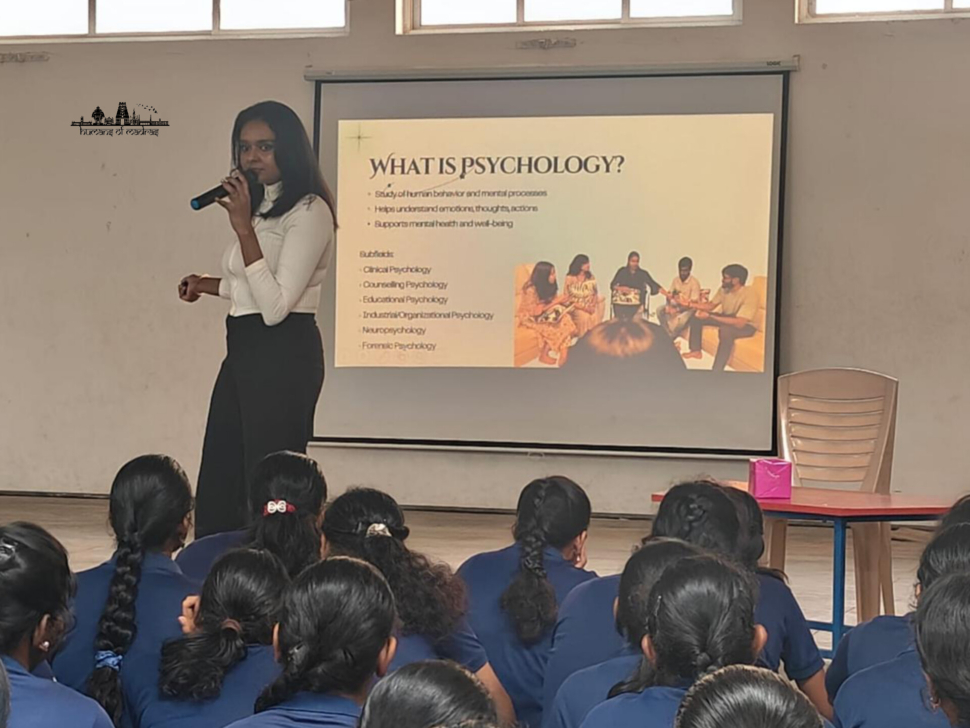
“Dyslexic. Six Schools. Five Degrees.
Hailing from a small village in Dharmapuri, I grew up across multiple cities before eventually settling in Chennai. Moving constantly meant changing schools often, six of them during my early years. While adapting to new places never scared me, something else did.
Writing and numbers felt impossible.
I could answer everything verbally with clarity, but the moment I had to read or write, my mind froze.
After several evaluations, I was diagnosed with dyslexia and dyscalculia. A decade later, I learned that ADHD had always been part of the picture too, just unnamed. Alongside this, I struggled with clinical depression through much of my teenage life.
At that time, very few people truly understood what it meant. My parents struggled to comprehend it, my teachers struggled to support it, and I struggled to survive it. I was placed in remedial classes and constantly felt like I was trying harder than everyone else just to stay afloat. Those years were heavy, confusing, and isolating, but they quietly shaped my empathy.
That experience ultimately guided my academic choices. I pursued a degree in psychology and simultaneously completed a diploma that specialised in educating individuals with dyslexia and dyscalculia. I finished both together and began working as a special educator, supporting children who were walking a path similar to mine.
Driven by a deeper need to understand justice and systems, I applied for a master’s in human rights. I received an opportunity to work with the United Nations and the World Health Organisation in Geneva.
When my university refused to approve it, I was forced to choose between the degree and the work. I chose the work.
I spent almost a year working with the UN Office of the High Commissioner for Human Rights (OHCHR) and the WHO in the Non Communicable Diseases and Mental Health, Global Coordination Mechanism Department.
Alongside this, I completed my master’s in human rights through distance education. When I returned to Chennai, I felt an urge to learn more and applied for a law degree. Just as that began, COVID-19 struck and everything shifted online.
With time on hand and curiosity intact, I enrolled in a Post Graduate counselling psychology program in an Australian University. I later began my PhD, a journey I continue today.
There was definitely a lot happening. But I was only just beginning to make my mark in this world!
What do you do when your lived experience turns into a responsibility you can no longer ignore?
There comes a point when your story stops being yours alone.
I often share this thought during my talks. Conversations around mental health tend to surface during times of collective crisis, when familiar routines break and people are forced to sit with their fear, uncertainty, and loss. They appeared during World War I, intensified during World War II, and resurfaced powerfully during COVID-19. However, as the pandemic unfolded, I became aware of how much misinformation surrounded mental health. While more people were finally speaking up, many were also confused, afraid, and unsure of where to turn next.
I had seen this before.
I knew what it felt like to be aware of your struggle but unsupported by the systems around you. Watching it unfold at scale made something shift in me. I could not unsee it anymore.
That was how the Hibiscus Foundation began.
It started as a small Instagram page, created to share mental health information that was accurate, accessible, and grounded in dignity. Over time, it became a registered NGO. As more people reached out, it became clear that awareness alone was not enough.
We began working with young people who were vulnerable to long term tobacco use and addiction, focusing on how mental health and coping often intersect. Soon after, we started offering free therapy to individuals who wanted support but could not afford professional care.
From the beginning, our work was built on the belief that healing cannot exist in isolation. When someone speaks about abuse, fear, or harm, sending them back into the same unsafe environment without support only deepens the wound. Emotional care had to be accompanied by legal awareness, safety, and choice. Our team reflected this belief, bringing together doctors, mental health professionals, and human rights practitioners.
In 2022, I started Hibiscus Counselling to offer professional therapy across multiple modalities. Soon after, Hibiscus Connect followed as a technology platform designed to support innovation and access in mental health care. Each initiative grew from a different need, but all of them carried the same intention.
Accessibility. Dignity. Care.
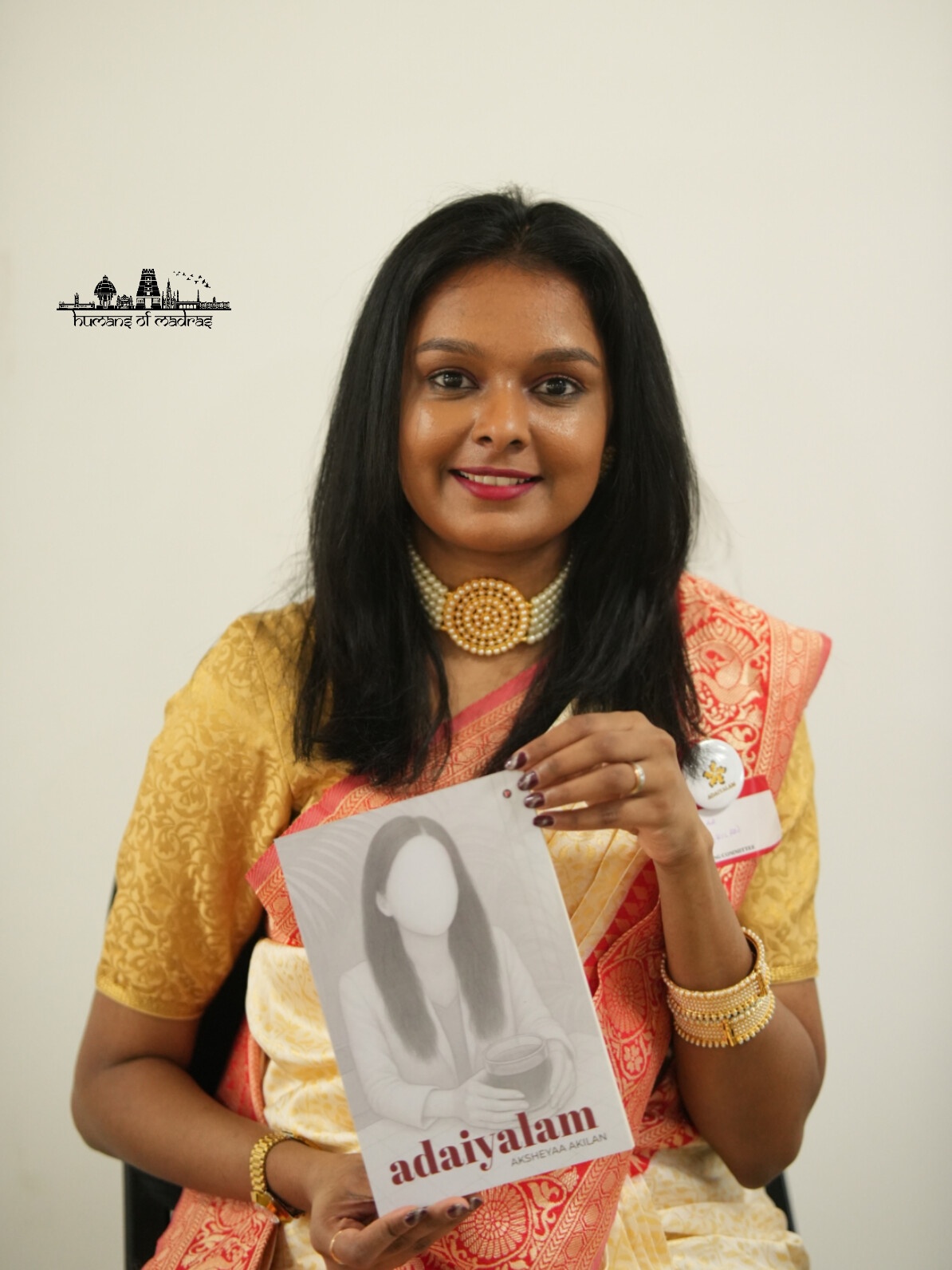
Alongside this work, I wrote a book titled Adaiyalam. It explored how colonial influence has shaped our lives from birth to death, often distancing us from our own cultural practices and identities. Through personal stories, conversations, and photographs, I tried to understand what it means to heal in ways that feel rooted and familiar.
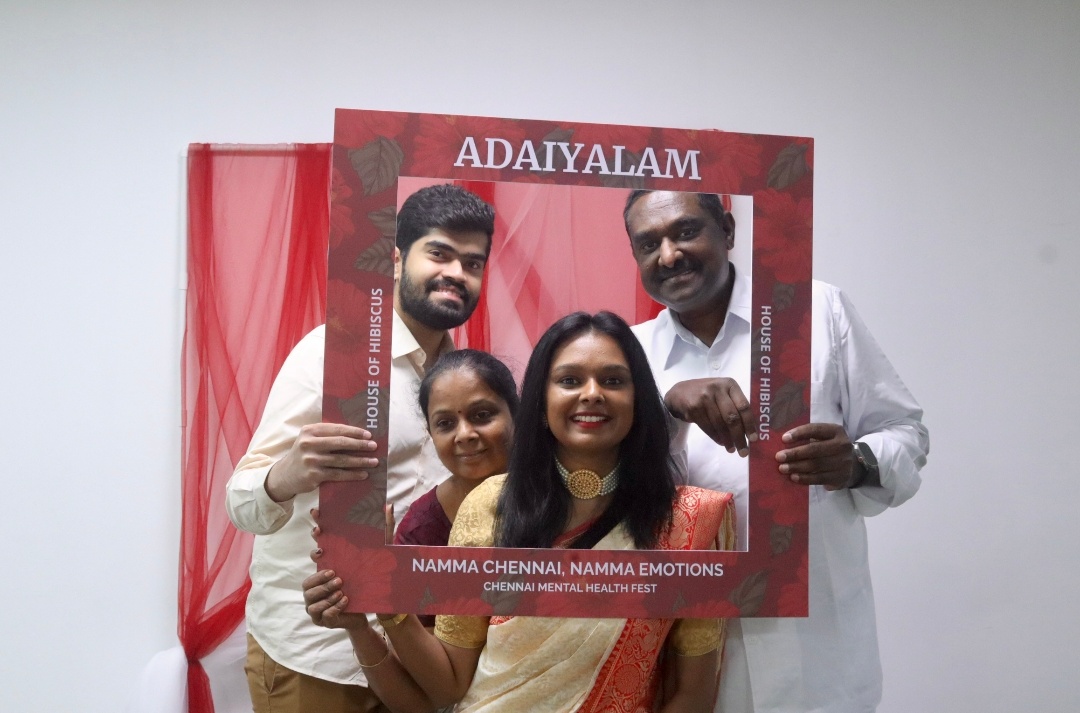
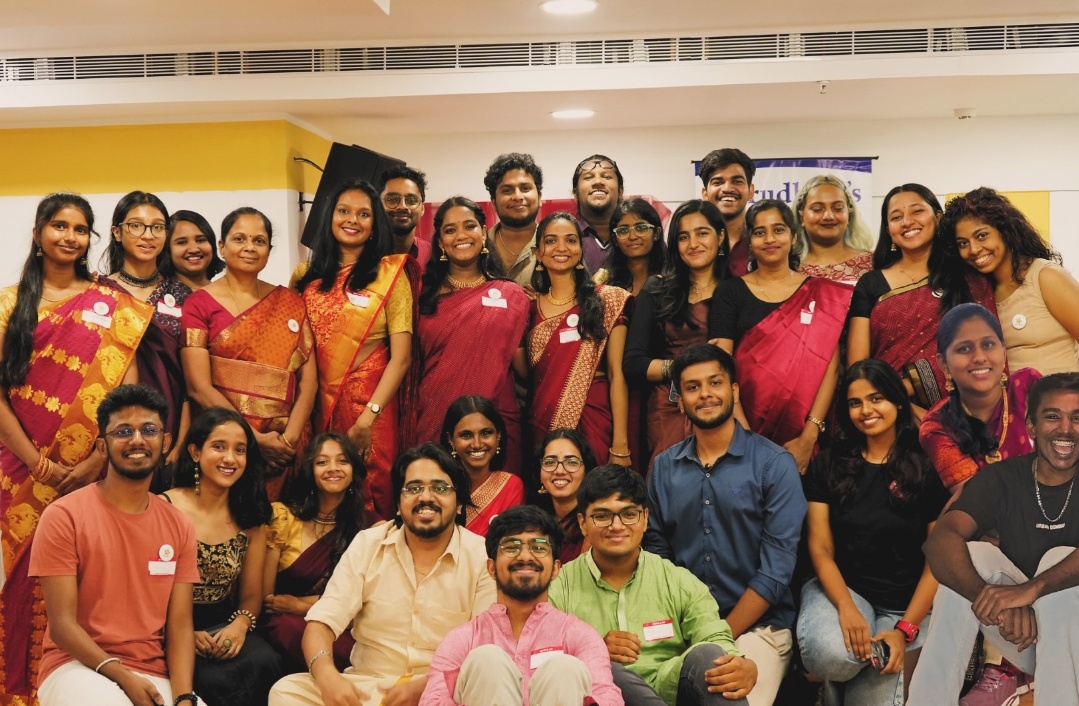
The book was launched at Adaiyalam, Chennai’s first mental health festival, which brought together nearly six hundred people to talk about healing through Indian contexts and lived experience.
This journey has been demanding, uncertain, and deeply fulfilling. Looking back, nothing about it feels accidental. What once felt like struggle became understanding. What felt personal slowly became purposeful.
If an idea refuses to leave your mind, it is not a distraction.
It is an invitation.
Listen to it. Act on it. Because real change often begins when someone chooses to honour their own story and let it grow into something that holds others too.”